Weddings · Planning
Wedding Photography Tips for Couples in Sri Lanka
The photos are one of the few parts of a wedding you keep forever, but they are often planned last. After photographing weddings, pre-wedding shoots and family celebrations, these are the things I wish every couple knew before the big day, whether you are marrying in Colombo, on the south coast, or flying in from abroad.
1. Build the timeline around the light
In Sri Lanka the sun climbs fast and sits almost overhead from late morning to mid afternoon. That is beautiful for a beach, but hard on faces: deep shadows in the eyes and a lot of squinting. If you have any flexibility, ask your planner to place the couple portraits in the softer hours, either early in the morning or in the last hour or so before sunset.
Many Sri Lankan ceremonies follow a nakath, an auspicious time chosen by an astrologer, and that time is not negotiable. That is completely fine. When I know the nakath early, I plan around it: I scout where the open shade is, which windows bring in clean light, and when we can slip away for twenty minutes of portraits once the light softens. Tell your photographer the ceremony time as soon as you have it.
2. Do a pre-wedding shoot
A pre-shoot is the best rehearsal you can have. You learn how I work, I learn what makes you laugh, and by the wedding day the camera already feels familiar. Couples who do one are almost always more relaxed in front of the lens on the day itself.
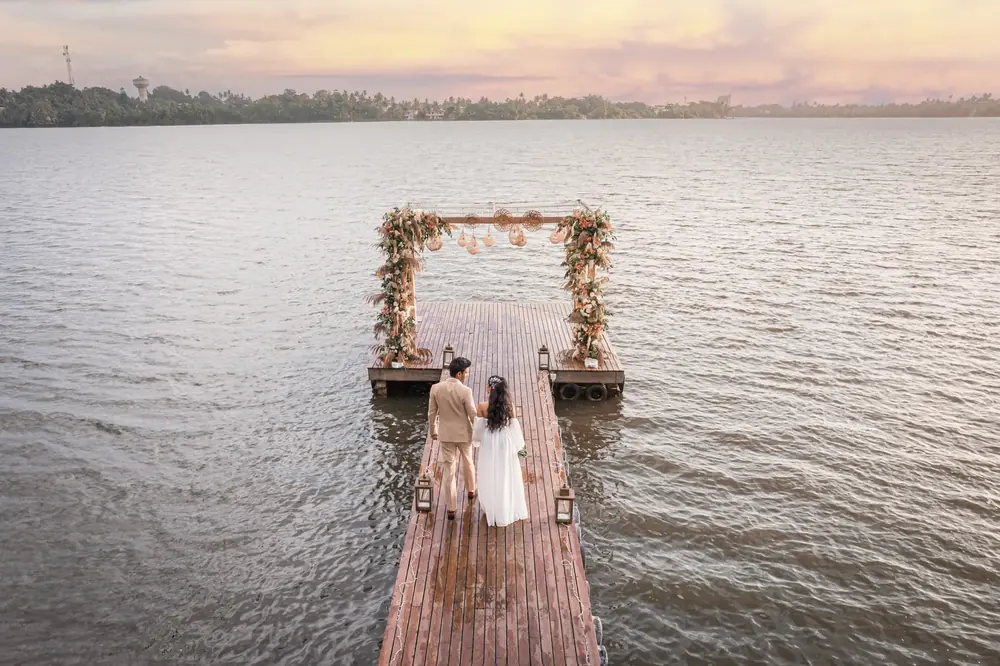
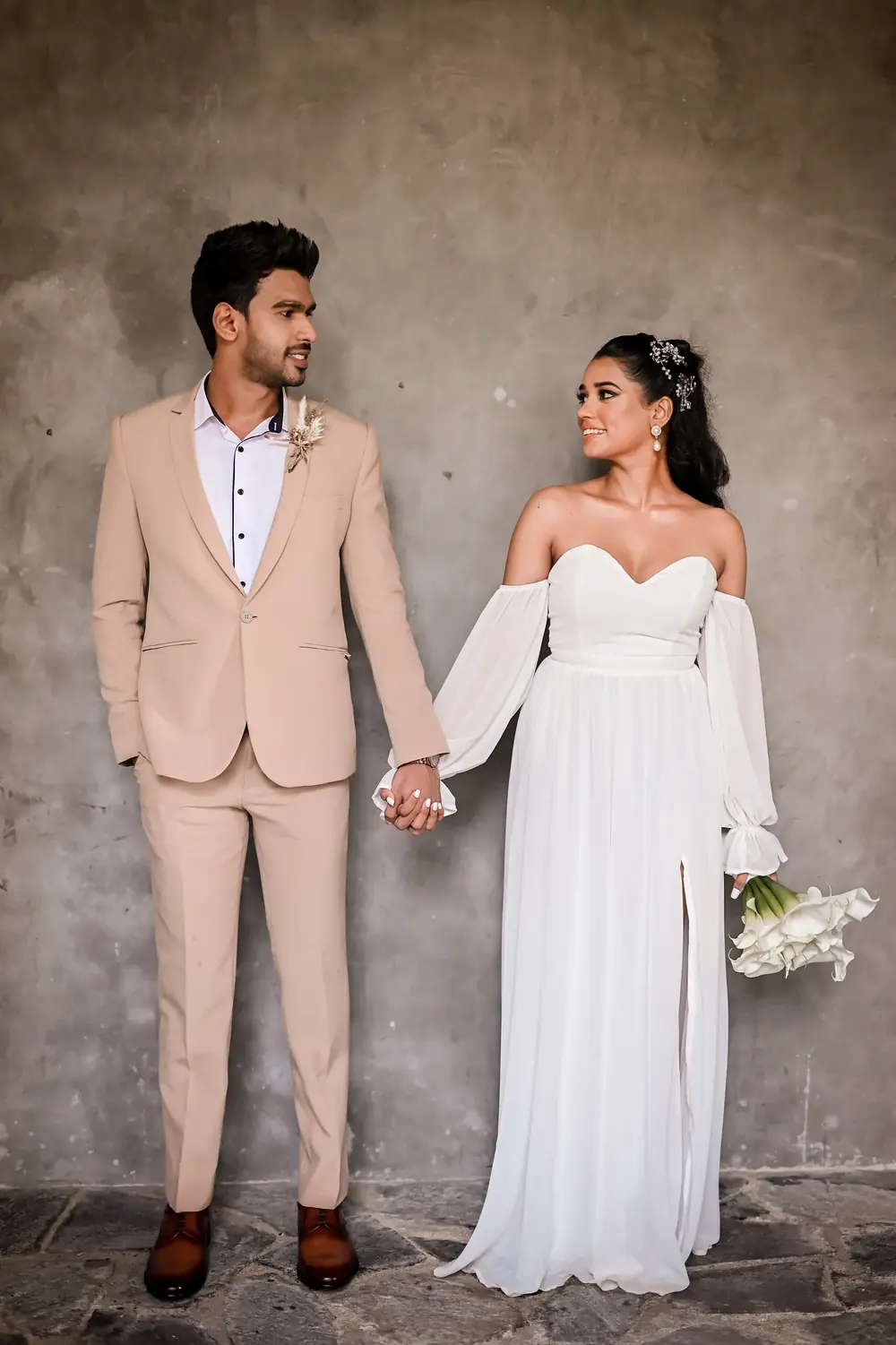
It is also a chance to wear something different and go somewhere the wedding venue cannot take you: a beach walk with your dog, a concrete wall in the city, a jetty at dusk. Many couples use these photos for save-the-dates, the welcome board, or a slideshow at the reception.
3. Give the getting-ready room some thought
Some of the most honest pictures of the day happen before anyone has left the house or the hotel suite. A few small things make a big difference:
- Choose a room with a big window. Daylight from a window is the most flattering light there is for make-up and detail shots.
- Clear the clutter. Bags, bottles and hangers tend to end up in the background of the frames you love most.
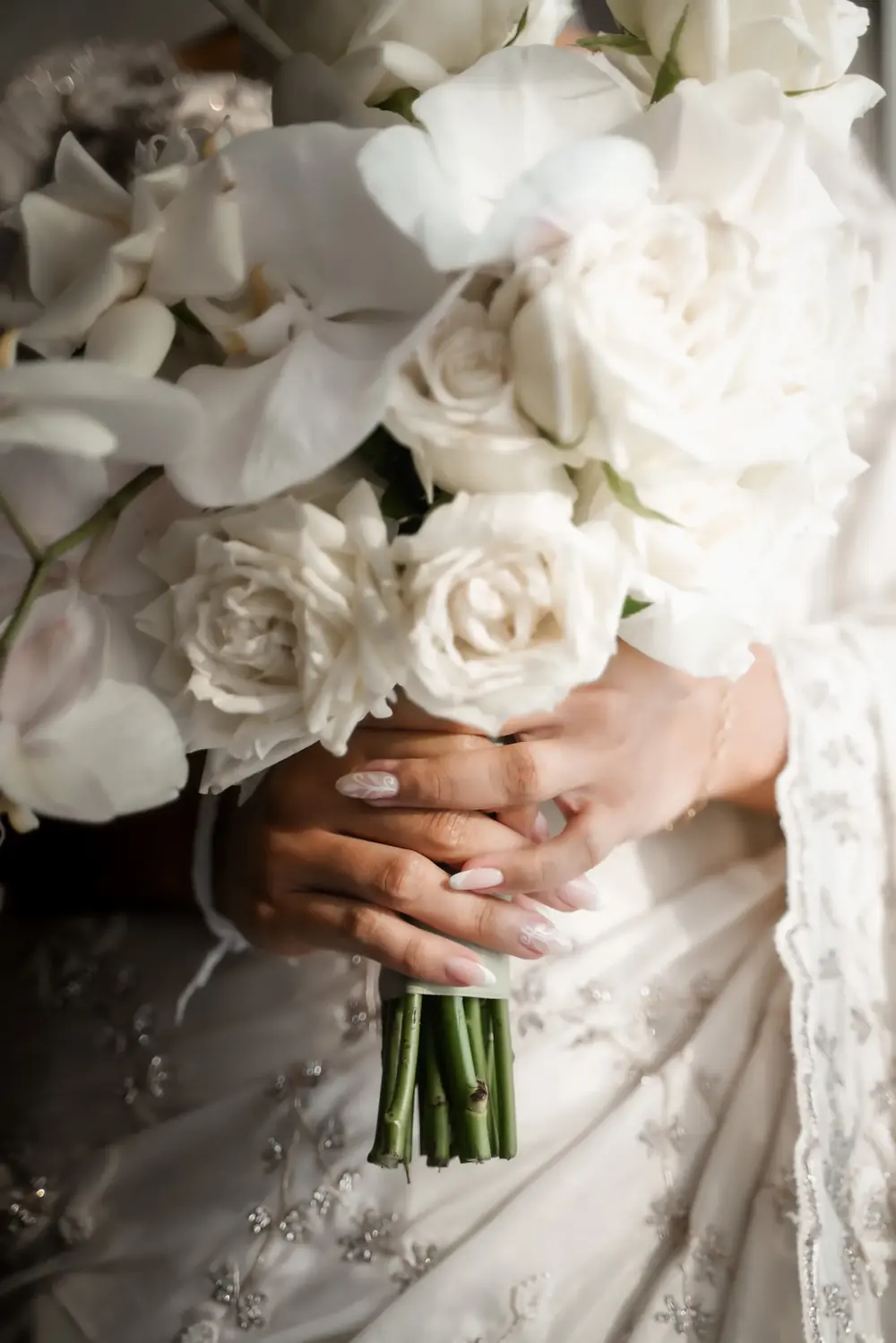
- Keep the details together. Rings, jewellery, invitations, the bouquet and shoes in one box means I can photograph them in a few minutes instead of searching for them.
4. Plan the ceremony so the moments can be seen
Whether it is a Poruwa ceremony, a church service, or rituals around a sacred fire, the important moments happen fast. A few minutes of planning helps them land in the photos:
- Ask the officiant or your coordinator where I can stand without getting in the way, and whether there are any rules about photography.
- Avoid placing the ceremony with a bright window or the open sea directly behind you, which turns faces into silhouettes.
- Keep the aisle and the front clear of guests holding up phones. An unplugged ceremony, even just for the vows, gives you far cleaner pictures.
I work quietly and mostly with available light during ceremonies, so I can move around without breaking the mood.
5. Multi-day celebrations need a plan for each day
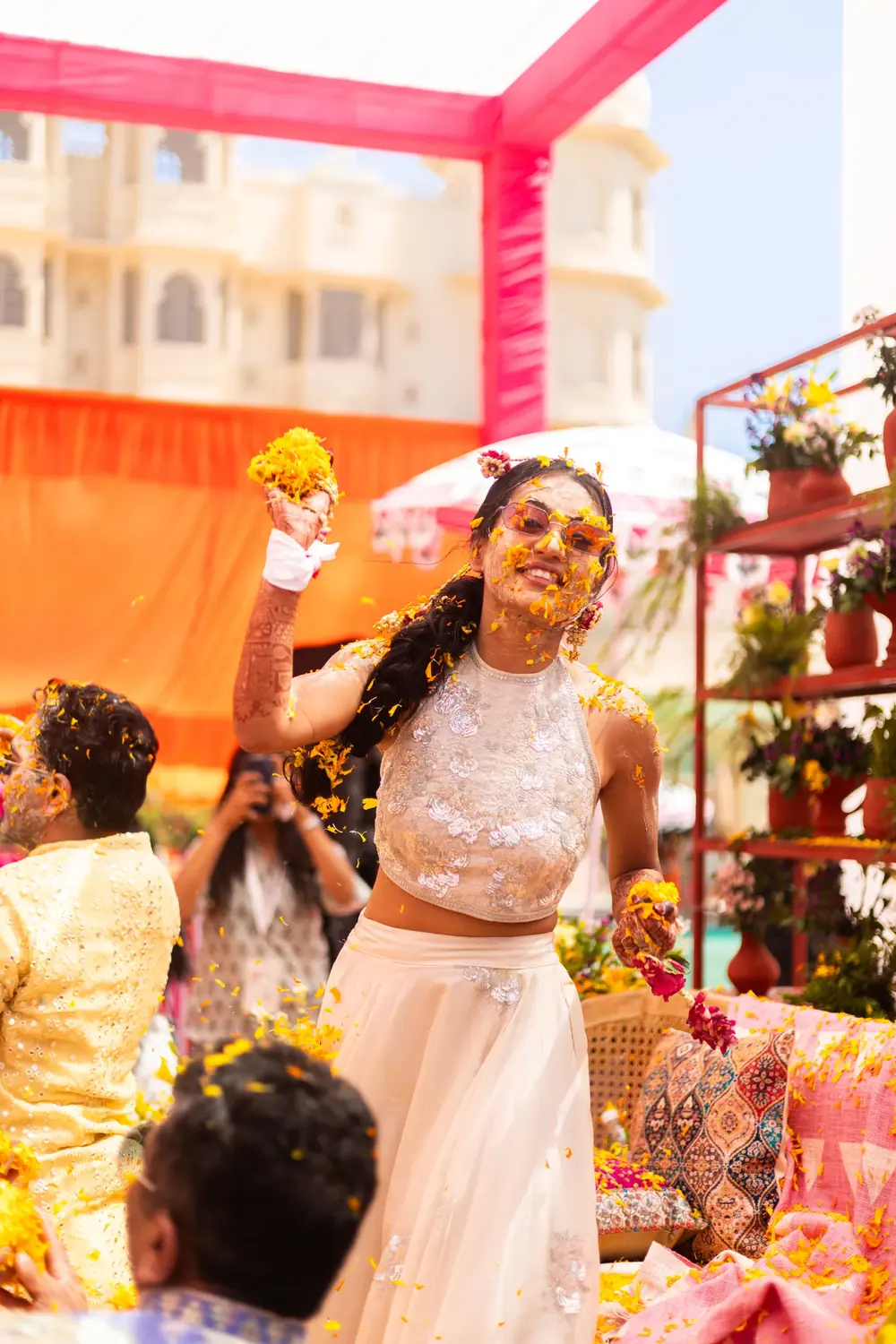
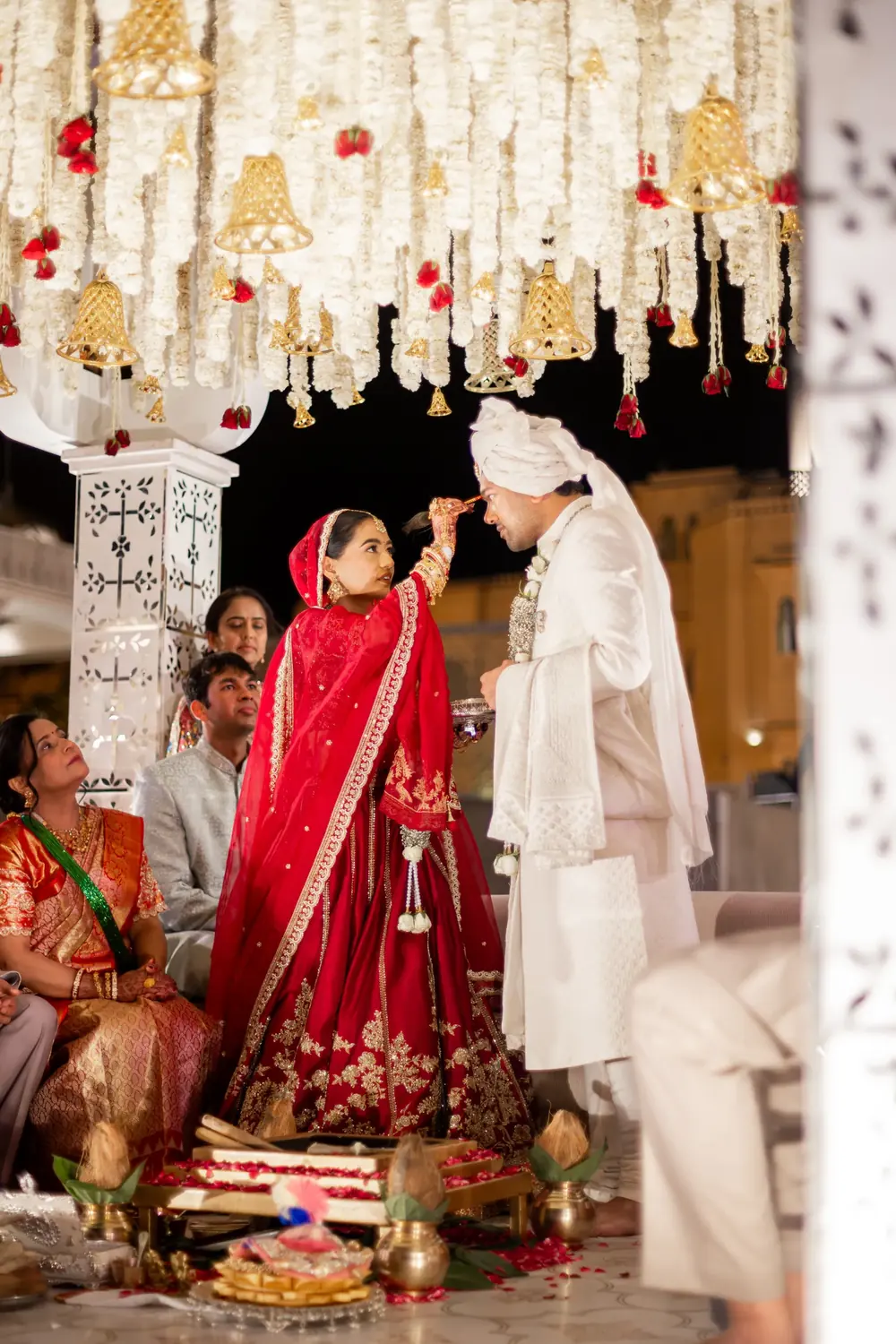
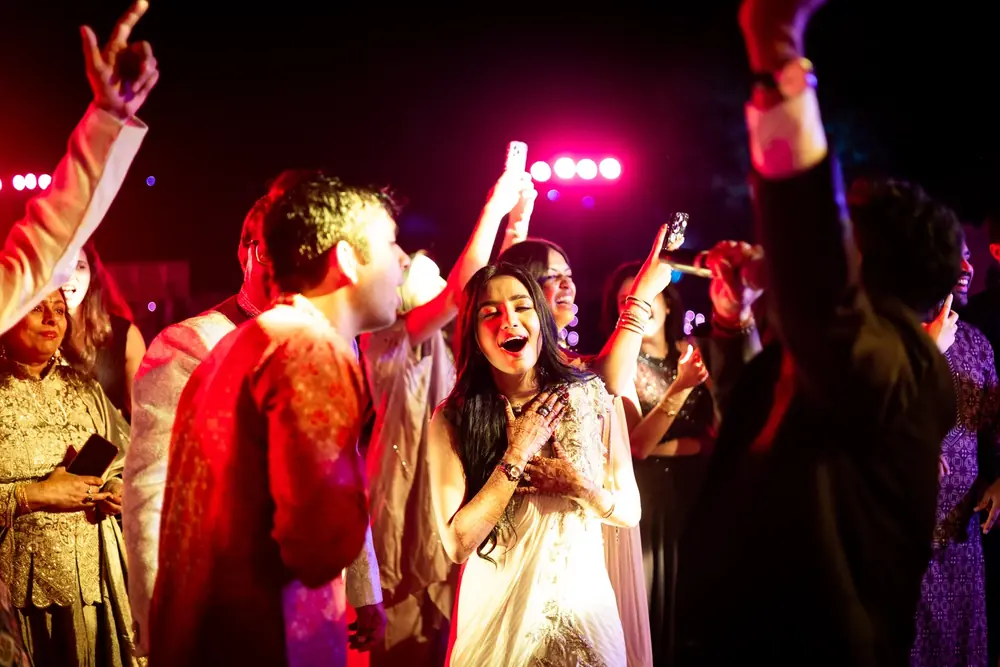
Jay & Serene’s wedding ran across several events, from the haldi and the sangeet to the baraat and the vows. Each one had a completely different feel: bright and messy with turmeric and marigolds, loud and colourful under stage lights, then calm and emotional at the ceremony. If your celebration spans more than one day, share the schedule for every event, and tell me which ones matter most to you, so the coverage goes where your memories will be.
6. Write a short family photo list
Group photos are where wedding days usually lose time. The fix is simple: write a short list of the family combinations you want, with names, and give it to someone who knows everyone, such as a cousin or a close friend. They gather people while I photograph, and the whole thing takes minutes instead of half an hour. Keep the list to the groups you will actually frame or print; the candid photos will cover everyone else.
7. Leave room for nothing to happen
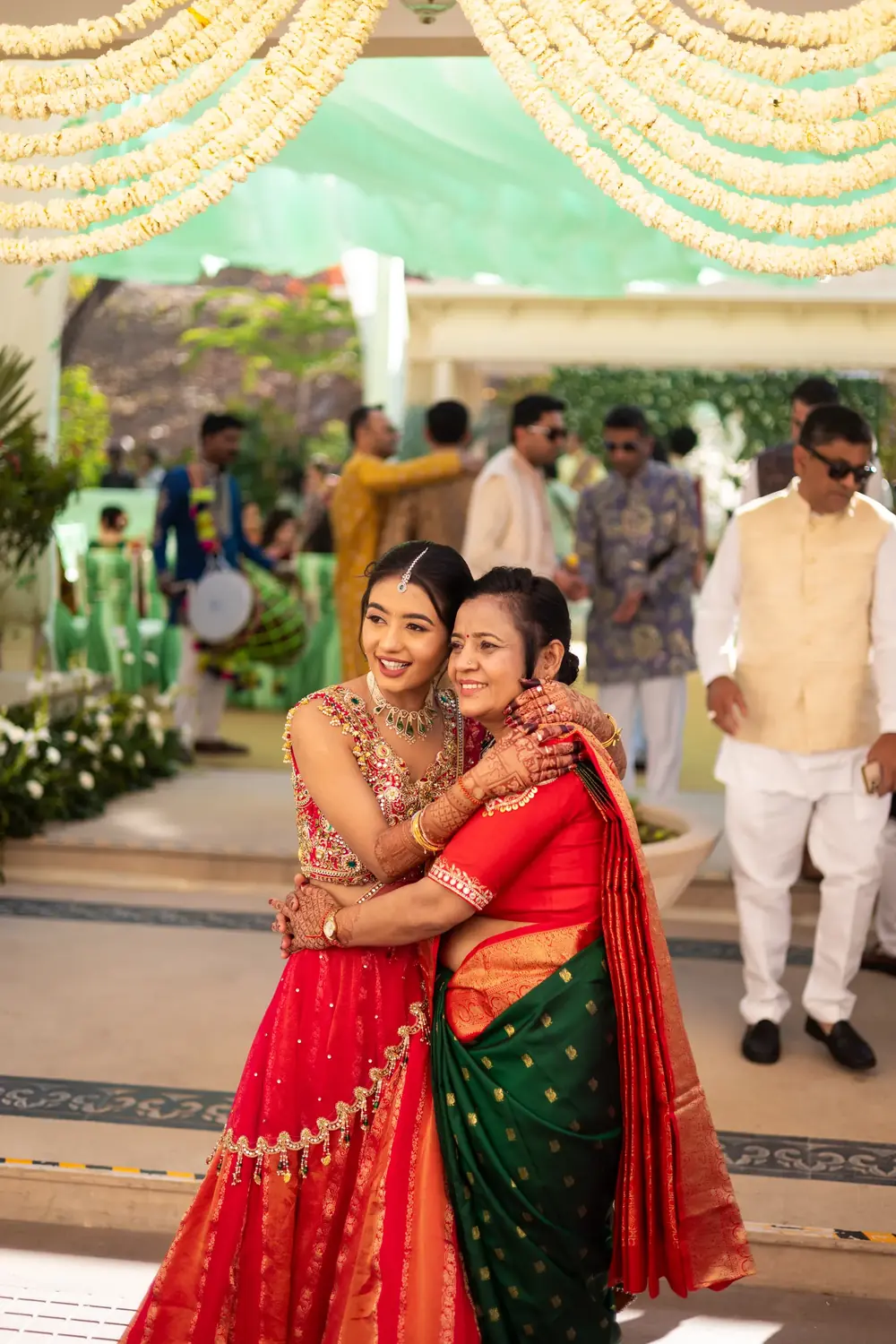
The best candid photos come from the gaps: a parent watching from the side, a friend fixing a turban, the couple laughing on their way between events. If every minute is scheduled, those gaps disappear. Build in a few unhurried moments, and try to give yourselves ten quiet minutes together after the ceremony. You will be glad of the break, and the photos from it are often the most natural of the day.
8. Plan for the weather
Monsoon showers can arrive quickly in Sri Lanka. Overcast skies are actually lovely for portraits, as the cloud spreads the light evenly, but heavy rain needs a plan B. Ask your venue about covered verandas or indoor spaces with good windows, and keep a couple of clear umbrellas handy. They photograph much better than dark ones.
9. Choose a photographer whose full galleries you like
Highlights on Instagram only show the best frames. Ask to see a complete wedding, or a full story, so you know how the whole day is handled, including the dark reception hall and the busy family photos. You should also feel comfortable with the person: they will be next to you for most of the day. You can see a full wedding story, Jay & Serene, on the homepage, and more wedding and pre-wedding work in the gallery.
Planning a wedding in Sri Lanka?
I photograph weddings, pre-wedding shoots and family celebrations in Colombo, across Sri Lanka and abroad, mostly in natural light, with shoots in English or Sinhala. Every wedding is quoted to the plan, so send me your date, venue and the events you have in mind and I will get back to you with options. You can email me at sacithkodikara@gmail.com or message me on WhatsApp at +94 77 580 3911.
Flying in for the wedding? My guide to travel photoshoot locations in Sri Lanka has ideas for a pre-wedding or honeymoon shoot, and the natural-light portrait guide explains how I work with light in Colombo.